
have us call you right now.
B CORP CERTIFIED • Trusted by 200+ companies


" transform="translate(9.68 8.342)" width="42.03955263157893px"/><path d="M 0 0 L 59.803 0" fill="transparent" height="1px" id="ZrOUlIxfS" stroke-dasharray="" stroke-linecap="butt" stroke-linejoin="miter" stroke-miterlimit="10" stroke-width="0.2" stroke="rgb(244, 241, 245)" transform="translate(0.197 28.901)" width="59.802631586005816px"/><path d="M 0 44.013 L 44.013 0" fill="transparent" height="44.013236842105265px" id="XsyGloV3N" stroke-dasharray="" stroke-linecap="butt" stroke-linejoin="miter" stroke-miterlimit="10" stroke-width="0.2" stroke="rgb(244, 241, 245)" transform="translate(7.569 7.342)" width="44.01323684210524px"/><path d="M 0 59.605 L 0 0" fill="transparent" height="59.60526315789474px" id="yFZ841kpN" stroke-dasharray="" stroke-linecap="butt" stroke-linejoin="miter" stroke-miterlimit="10" stroke-width="0.2" stroke="rgb(244, 241, 245)" transform="translate(30.099 0)" width="1px"/><path d="M 0 22.204 C 0 9.941 9.941 0 22.204 0 C 34.467 0 44.408 9.941 44.408 22.204 C 44.408 34.467 34.467 44.408 22.204 44.408 C 9.941 44.408 0 34.467 0 22.204 Z" fill="transparent" height="44.40789473684211px" id="VixYfylc6" stroke-dasharray="" stroke-linecap="butt" stroke-linejoin="miter" stroke-miterlimit="10" stroke-width="0.2" stroke="rgb(244, 241, 245)" transform="translate(7.796 7.796)" width="44.40789473684211px"/><path d="M 0 29.901 C 0 13.387 13.387 0 29.901 0 C 46.415 0 59.803 13.387 59.803 29.901 C 59.803 46.415 46.415 59.803 29.901 59.803 C 13.387 59.803 0 46.415 0 29.901 Z" fill="transparent" height="59.80263157894737px" id="hTt7ho8ii" stroke-dasharray="" stroke-linecap="butt" stroke-linejoin="miter" stroke-miterlimit="10" stroke-width="0.2" stroke="rgb(244, 241, 245)" transform="translate(0.099 0.099)" width="59.80263157894737px"/></svg>)











THE PROBLEM
Most carbon credits do not represent real impact
of carbon credits do not represent real impact.
Source: Nature Communications
16%
is the quality tier Regreener works in.
TWO WAYS TO BUY
Buy directly, or build a multi-year strategy
DIRECT PURCHASE
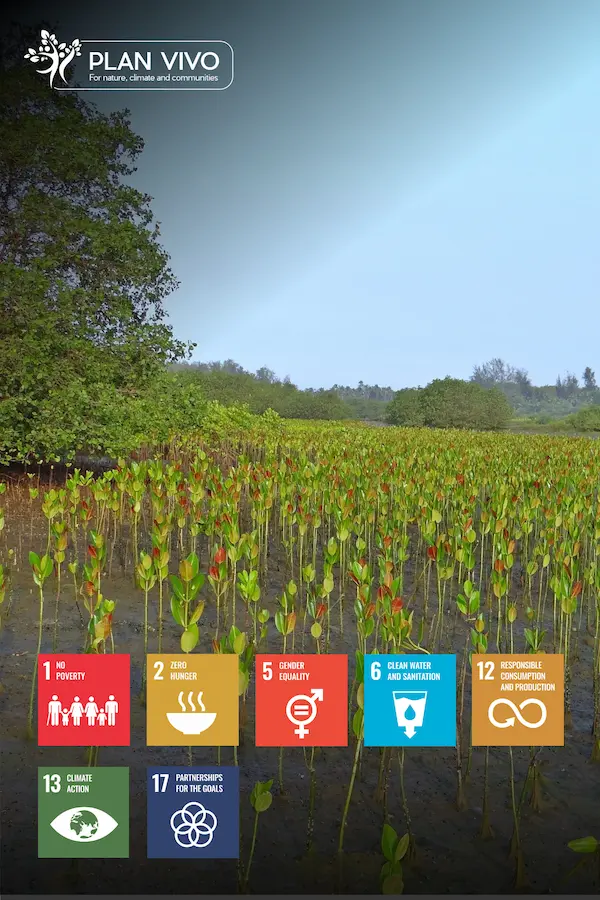
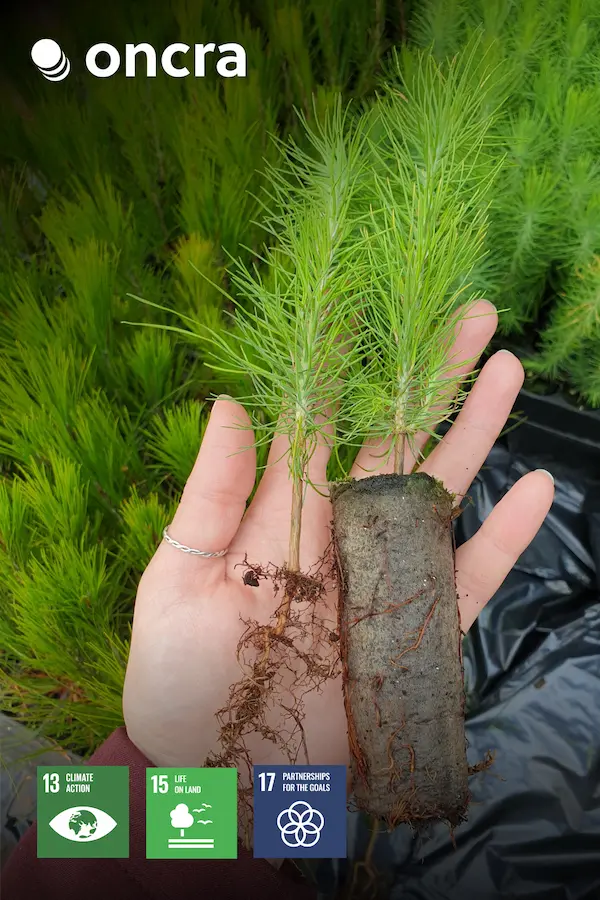
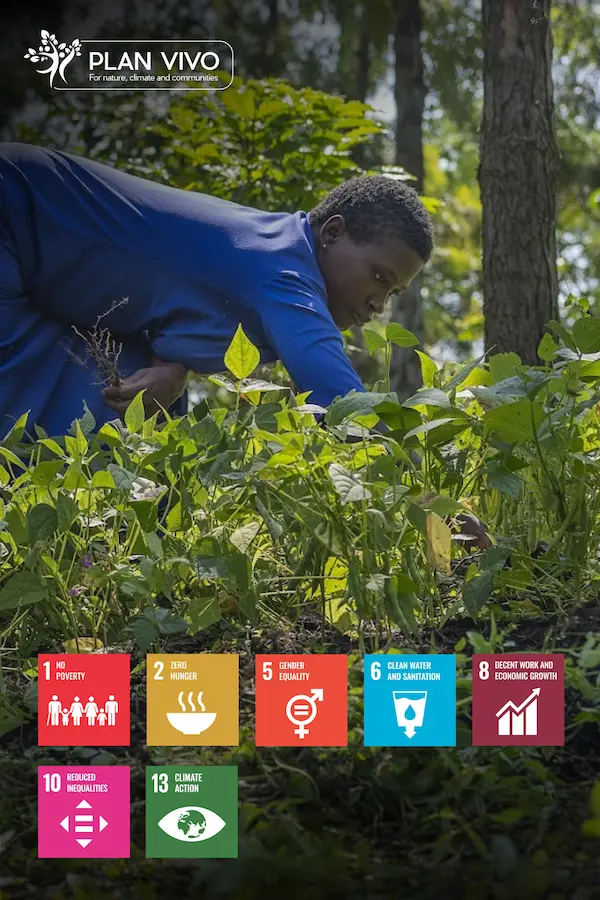
Buy vetted credits now
Choose from a curated shortlist of pre-vetted projects and buy for immediate impact. We handle the contract and retirement, and you get the evidence to report it.
Curated shortlist, not an open catalogue
Contracts and retirement handled for you
Reporting evidence ready from day one
Best for short term impact (spot)
OUR QUALITY FRAMEWORK
Every project, scored against 100+ data points
Five domains, one clear score. It is what turns "trust us" into something a procurement or finance buyer can actually defend. Compare projects like an analyst, and justify the choice like a professional.
Discover our Quality Framework













FAQs about Carbon Credits
How can I be sure the carbon credits aren't contributing to greenwashing?
All of our projects are carefully selected, based on five-step Quality Framework. Each project is vetted against 100+ data points, including assessments by independent rating agencies like BeZero and Calyx. This ensures we only offer the top 10% of climate projects globally - delivering measurable climate impact and meaningful social co-benefits.
Does Regreener only offer very expensive projects?
While we do focus on high-quality, thoroughly vetted projects, we also offer more budget-friendly options. Price is an important factor-but it’s not the only one. We believe in balancing impact, quality, and affordability, so you can support projects that aligns with both your values and your budget.
What makes Regreener different from other carbon credit suppliers?
Unlike traditional providers, Regreener assesses over 100 data points for every single project. This rigorous analysis allows us to handpick only the top 10% of impact projects worldwide.
Whether your focus is on regional impact, social benefits, or price we curate a custom portfolio of 3–5 high-impact projects from our elite pool-aligned with your priorities.
What is a carbon credit?
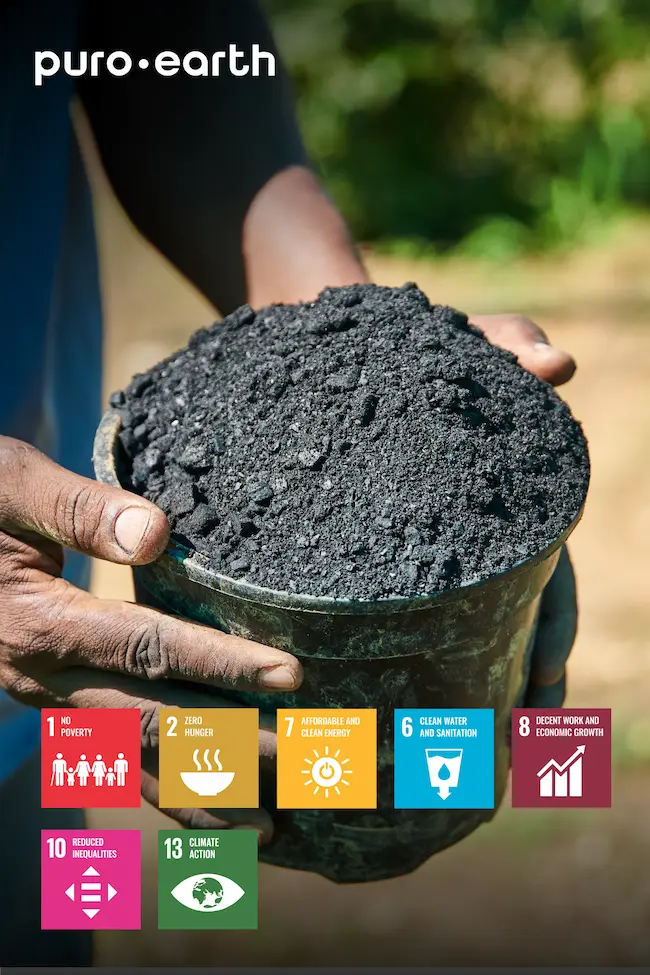
A carbon credit is a tradable certificate that represents the removal or reduction of one metric ton of carbon dioxide (CO2) or its equivalent in other greenhouse gases from the atmosphere. Examples are reforestation or biochar projects.
Why are nature projects more expensive than others projects?
Nature-based projects-like reforestation, forest conservation, or mangrove restoration-are often more expensive than technology-based carbon offset projects because they involve complex, long-term ecological and social processes. These projects require large areas of land, continuous monitoring, and collaboration with local communities to ensure the protection and regeneration of ecosystems.
Additionally, nature projects often deliver extra benefits beyond carbon removal, such as biodiversity protection, water conservation, and improved livelihoods for local populations. These co-benefits add value but also increase the cost of project development, certification, and ongoing maintenance.
How do I know if a carbon credit is high-quality?
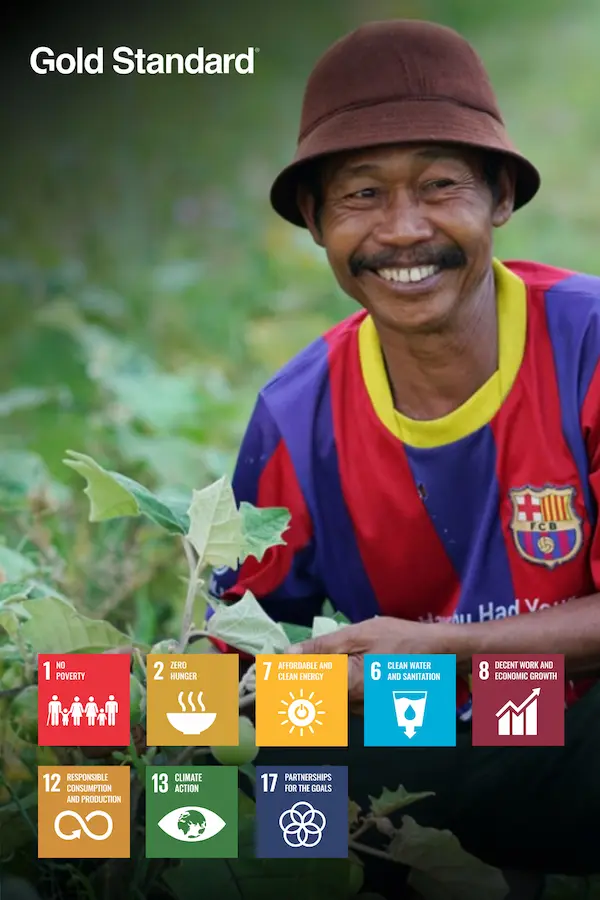
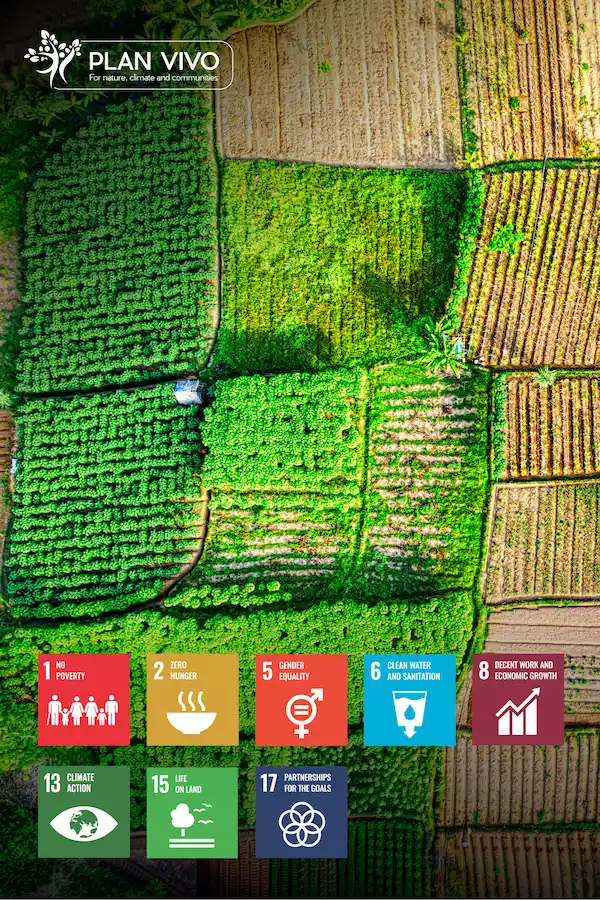
Look for certifications from trusted standards like Verra, Gold Standard, or Plan Vivo. High-quality credits are measurable, permanent, additional (wouldn’t happen without funding), and independently verified.