
have us call you right now.
B CORP CERTIFIED • Trusted by 200+ companies


" transform="translate(9.68 8.342)" width="42.03955263157893px"/><path d="M 0 0 L 59.803 0" fill="transparent" height="1px" id="ZrOUlIxfS" stroke-dasharray="" stroke-linecap="butt" stroke-linejoin="miter" stroke-miterlimit="10" stroke-width="0.2" stroke="rgb(244, 241, 245)" transform="translate(0.197 28.901)" width="59.802631586005816px"/><path d="M 0 44.013 L 44.013 0" fill="transparent" height="44.013236842105265px" id="XsyGloV3N" stroke-dasharray="" stroke-linecap="butt" stroke-linejoin="miter" stroke-miterlimit="10" stroke-width="0.2" stroke="rgb(244, 241, 245)" transform="translate(7.569 7.342)" width="44.01323684210524px"/><path d="M 0 59.605 L 0 0" fill="transparent" height="59.60526315789474px" id="yFZ841kpN" stroke-dasharray="" stroke-linecap="butt" stroke-linejoin="miter" stroke-miterlimit="10" stroke-width="0.2" stroke="rgb(244, 241, 245)" transform="translate(30.099 0)" width="1px"/><path d="M 0 22.204 C 0 9.941 9.941 0 22.204 0 C 34.467 0 44.408 9.941 44.408 22.204 C 44.408 34.467 34.467 44.408 22.204 44.408 C 9.941 44.408 0 34.467 0 22.204 Z" fill="transparent" height="44.40789473684211px" id="VixYfylc6" stroke-dasharray="" stroke-linecap="butt" stroke-linejoin="miter" stroke-miterlimit="10" stroke-width="0.2" stroke="rgb(244, 241, 245)" transform="translate(7.796 7.796)" width="44.40789473684211px"/><path d="M 0 29.901 C 0 13.387 13.387 0 29.901 0 C 46.415 0 59.803 13.387 59.803 29.901 C 59.803 46.415 46.415 59.803 29.901 59.803 C 13.387 59.803 0 46.415 0 29.901 Z" fill="transparent" height="59.80263157894737px" id="hTt7ho8ii" stroke-dasharray="" stroke-linecap="butt" stroke-linejoin="miter" stroke-miterlimit="10" stroke-width="0.2" stroke="rgb(244, 241, 245)" transform="translate(0.099 0.099)" width="59.80263157894737px"/></svg>)












THE PROBLEM
Most carbon credits do not represent real impact
of carbon credits do not represent real impact.
Source: Nature Communications
16%
is the quality tier Regreener works in.
OUR QUALITY FRAMEWORK
Every project, scored against 100+ data points
Five domains, one clear score. It is what turns "trust us" into something a procurement or finance buyer can actually defend. Compare projects like an analyst, and justify the choice like a professional.
Discover our Quality Framework
TWO WAYS TO BUY
Two ways to buy carbon credits: direct purchase or offtake


WHAT YOU CAN BUY
Which carbon credits you can buy
Carbon credits either avoid emissions that would otherwise happen, or remove CO₂ that is already in the atmosphere. Most portfolios combine both: affordable avoidance credits today, and a growing share of durable removals towards net zero.
How to buy carbon credits: the full guide
Compare the best projects of 2026
Forest protection (REDD+)
Avoidance
Protects standing forests that would otherwise be cleared, so their carbon stays out of the atmosphere. Strong benefits for local communities and biodiversity. Quality varies widely, so we only select projects with conservative baselines and strong ratings.
Standards
Verra (VCS)
Permanence
Decades, backed by buffer pools against fire and land-use risk
See the 5 best REDD+ projects
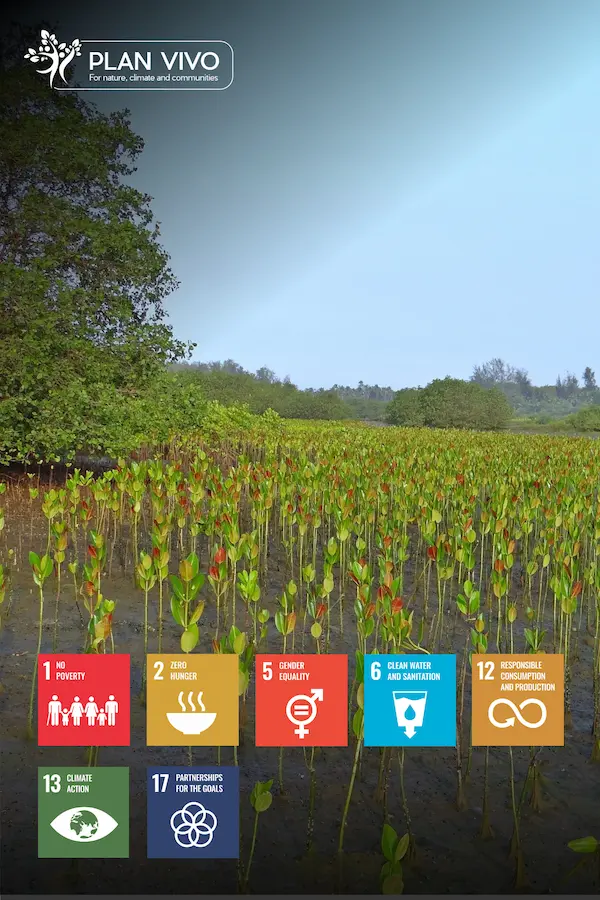
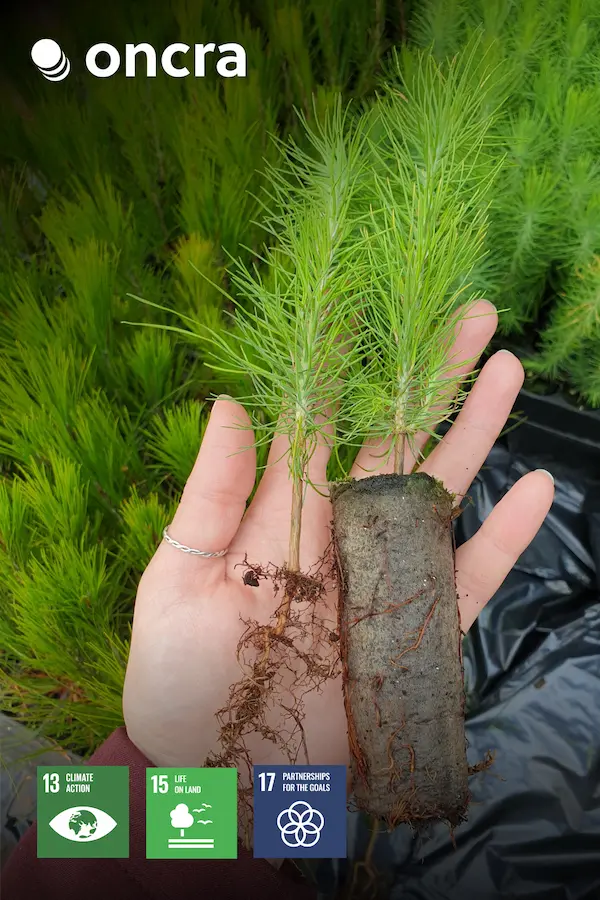
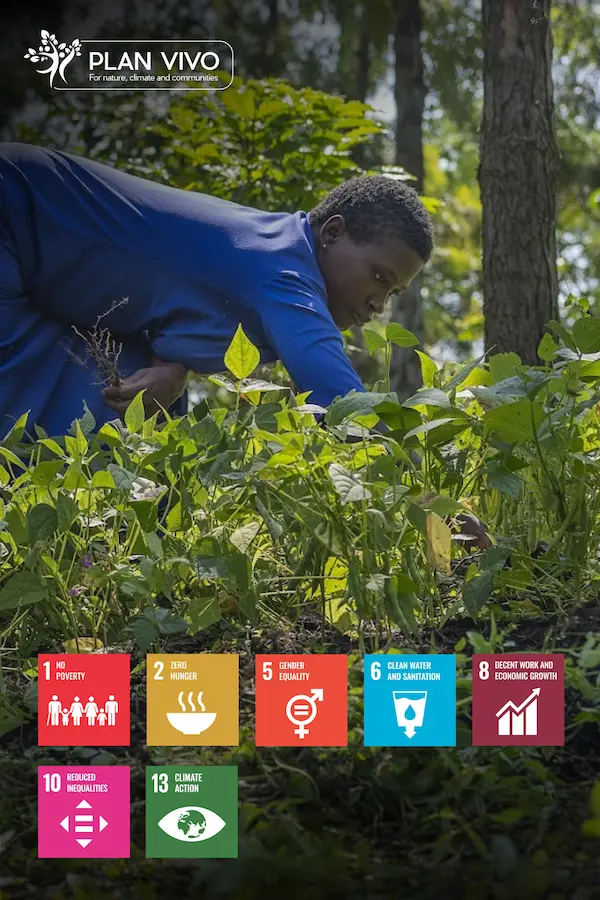
Reforestation & agroforestry
Nature-based removal
Plants trees on degraded land or integrates them into farms, removing CO₂ as they grow. Restores land and gives farmers an extra income. Removals build up over years, so these credits are often secured through offtake.
Standards
Verra, Gold Standard, Plan Vivo
Permanence
Decades, backed by buffer pools and long-term monitoring
See the 5 best forest carbon projects
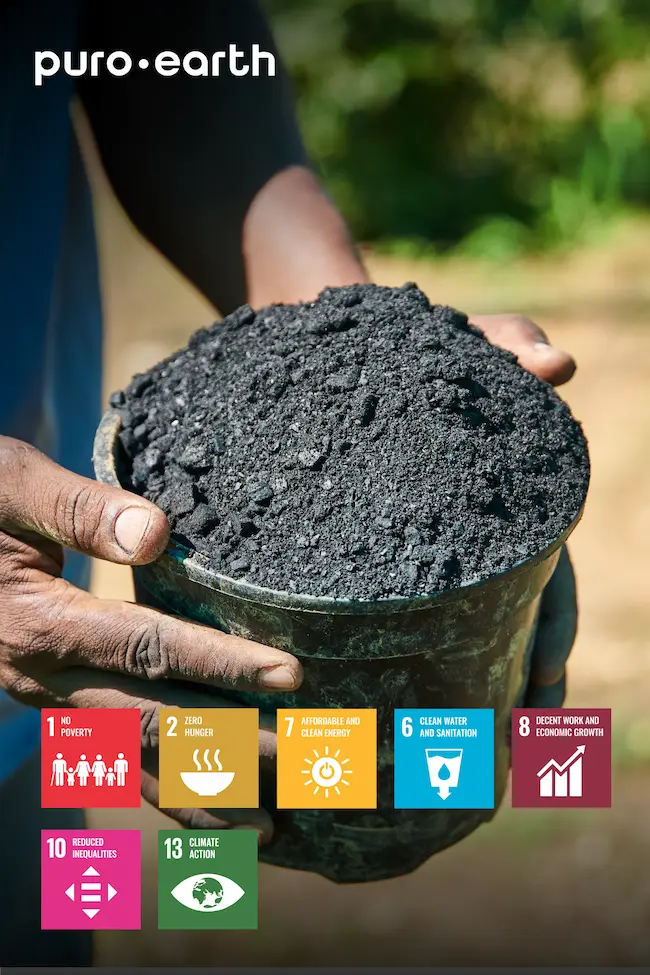
Biochar
Durable removal
Turns plant waste into a stable form of charcoal that goes into soils or materials, locking the carbon away. One of the most mature durable removals, with credits available today.
Standards
Puro.earth, Isometric
Permanence
100+ years
See the 5 best biochar projects
Enhanced rock weathering
Durable removal
Spreads crushed silicate rock on farmland, where it binds CO₂ and stores it as bicarbonate. It also improves soils. A young market, where robust measurement is the key quality question.
Standards
Isometric
Permanence
Thousands of years
See the 5 best rock weathering projects
Direct air capture
Durable removal
Captures CO₂ directly from the air and stores it deep underground. Highly measurable and permanent, but the most expensive option, with limited supply sold mainly through multi-year offtake.
Standards
Isometric, Puro.earth
Permanence
Thousands of years (geological storage)
See the 5 best direct air capture projects
WHAT IT COSTS
What a high-quality carbon credit portfolio costs in 2026
Price follows quality. The cheapest credits are often the ones that fail scrutiny later. A portfolio you can defend blends credit types, so you balance budget, permanence and impact.
Permanence
How long the CO₂ stays out of the atmosphere: decades for forests, centuries for durable removals.
Verification and data
Continuous, third-party monitoring and digital MRV cost more, and make a credit defensible.
Supply and co-benefits
Scarce removals and projects with strong community and biodiversity impact command a premium.

HOW IT WORKS
How buying carbon credits with Regreener works
1
Share your goals
Volume, budget, timing and what you need to report. A free 30-minute call is enough.
2
Get a vetted shortlist
Projects that passed our 100+ datapoint framework, matched to your priorities: region, project type, co-benefits or price.
3
Buy direct or agree offtake terms
Buy and retire now, or lock in volume and price for the coming years. Contracts and retirement are handled for you.
4
Report and communicate
Track verified impact on the platform and use the toolkit for CSRD reporting and claims that hold up under EmpCo.

















FAQs about Carbon Credits
Where can I buy carbon credits for my company?
You can buy from project developers, brokers, marketplaces or a specialised provider like Regreener. The difference is due diligence: with a developer or an open marketplace, you vet each project yourself. We only offer projects that passed our 100+ datapoint framework, and we handle contracts and retirement for you.
What makes Regreener different from other carbon credit suppliers?
Unlike traditional providers, Regreener assesses over 100 data points for every single project. This rigorous analysis allows us to handpick only the top 10% of impact projects worldwide.
Whether your focus is on regional impact, social benefits, or price we curate a custom portfolio of 3–5 high-impact projects from our elite pool-aligned with your priorities.
Should we buy direct or through an offtake agreement?
Buy direct when you need credits for this year’s footprint or a specific claim. Choose offtake when you have multi-year targets and want volume and price certainty, especially for removals, where supply is scarce.
Is there a minimum volume?
No. You can start small with a direct purchase and scale up, or plan multi-year volumes through an offtake agreement.
How much do carbon credits cost?
It depends on the mix. Avoidance credits are the most affordable, nature-based removals sit in the middle, and durable removals like biochar and direct air capture cost the most. Most companies blend types to balance budget and permanence. Tell us your volume and you’ll get indicative pricing within 1 working day.
How do I know if a carbon credit is high-quality?
Look for certifications from trusted standards like Verra, Gold Standard, or Plan Vivo. High-quality credits are measurable, permanent, additional (wouldn’t happen without funding), and independently verified.
How can I be sure the carbon credits aren't contributing to greenwashing?
All of our projects are carefully selected, based on five-step Quality Framework. Each project is vetted against 100+ data points, including assessments by independent rating agencies like BeZero and Calyx. This ensures we only offer the top 10% of climate projects globally - delivering measurable climate impact and meaningful social co-benefits.
How are carbon credits retired and reported?
We retire the credits in the registry on your behalf and you receive the retirement evidence. On the platform you track verified impact, and the toolkit helps you report it under CSRD.
Does Regreener only offer very expensive projects?
While we do focus on high-quality, thoroughly vetted projects, we also offer more budget-friendly options. Price is an important factor-but it’s not the only one. We believe in balancing impact, quality, and affordability, so you can support projects that aligns with both your values and your budget.
Can my company still claim "Carbon Neutral"?
The terminology is shifting. Under new guidelines (like VCMI and EU Green Claims Directive), companies are advised to move away from claiming "Carbon Neutrality" based solely on offsetting. Instead, the focus is on "Contribution Claims" or "Beyond Value Chain Mitigation," where you fund climate action without necessarily using it to cancel out your own gross emissions.