
have us call you right now.
Nature restoration in The Netherlands
Nature restoration in The Netherlands
" width="512px"><path d="M 0 512 L 0 0 L 512 0 L 512 512 Z" fill="transparent" height="512px" id="g3PRTXeoE" width="512px"/><path d="M 256 512 C 397.385 512 512 397.385 512 256 C 512 114.615 397.385 0 256 0 C 114.615 0 0 114.615 0 256 C 0 397.385 114.615 512 256 512 Z" fill="rgb(240, 240, 240)" height="512px" id="rylAAxv2G" width="512px"/><path d="M 240.077 0 C 130.006 0 36.171 69.472 0 166.957 L 480.155 166.957 C 443.983 69.472 350.148 0 240.077 0 Z" fill="rgb(162, 0, 29)" height="166.957px" id="lEo_hDWjX" transform="translate(15.923 0)" width="480.155px"/><path d="M 240.077 166.957 C 350.148 166.957 443.983 97.485 480.154 0 L 0 0 C 36.171 97.485 130.006 166.957 240.077 166.957 Z" fill="rgb(0, 82, 180)" height="166.957px" id="oA_jx7XSh" transform="translate(15.923 345.043)" width="480.154px"/></g></svg>)
Netherlands
Netherlands
Buyer Protection

10,000 +
Trees planted

18
Ha restored

15+
Species

100+
People involved

4
Sites
Why this project?
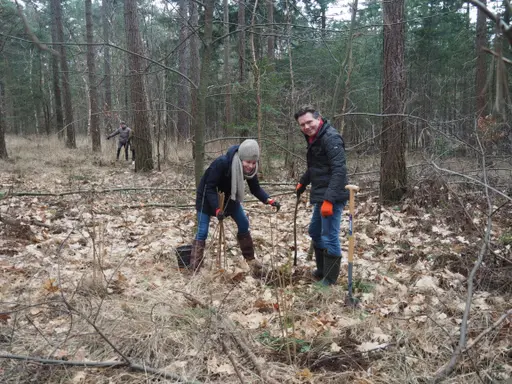
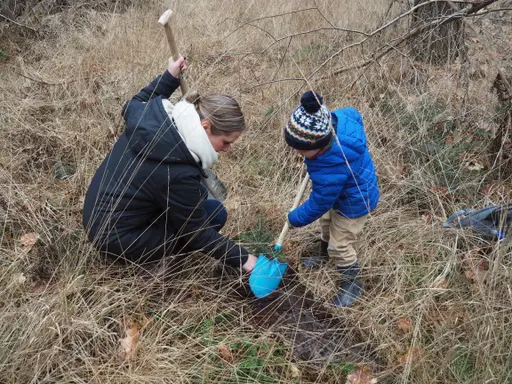
Through our partnership with Stukje Natuur, we support tree-planting initiatives across the Netherlands, working closely with local landowners, including farmers, to plant trees on their land. This includes reforestation and land restoration, as well as afforestation—introducing trees to areas where none previously existed.
Beyond restoring nature, this project aims to raise awareness about climate change by actively involving children, adults, and businesses. Together with our community, Regreener is committed to supporting reforestation efforts that contribute to a healthier and more biodiverse environment.
Why reforestation is necessary
The total forested area in the Netherlands has slightly declined in recent years, reaching 363,801 hectares in 2021. Compared to the rest of the EU, the Netherlands has one of the lowest forest covers (second only to Malta), with just 15% of its original native plant and animal species remaining, far below the European average of 40%.
Additionally, many tree species are under increasing pressure due to drought, disease, and pests, all exacerbated by climate change. For example, 70% of ash trees have been affected by ash dieback, while Norway spruce has suffered extensive losses due to beetle infestations following prolonged droughts. These challenges are particularly severe in monoculture forests, where a lack of diversity makes ecosystems more vulnerable.
By reintroducing a mix of tree species, we can create stronger, more resilient forests that not only withstand climate challenges but also enhance biodiversity and ecosystem stability.
Improving resilience to climate change
Planting trees plays a crucial role in combating climate change. Through photosynthesis, trees capture large amounts of CO2, storing it in their trunks, branches, roots, and leaves, effectively acting as natural “carbon sinks.” While fast-growing species can quickly absorb carbon, a diverse mix of tree species ensures continuous carbon sequestration over time, making forests more sustainable in the long run.
Beyond reducing CO₂ levels, tree planting also mitigates the negative effects of climate change, including heat waves, drought, deforestation, desertification, erosion, and flooding.
Our reforestation efforts focus on two key planting methods:
Afforestation: Establishing new forests on previously agricultural (grass) land.
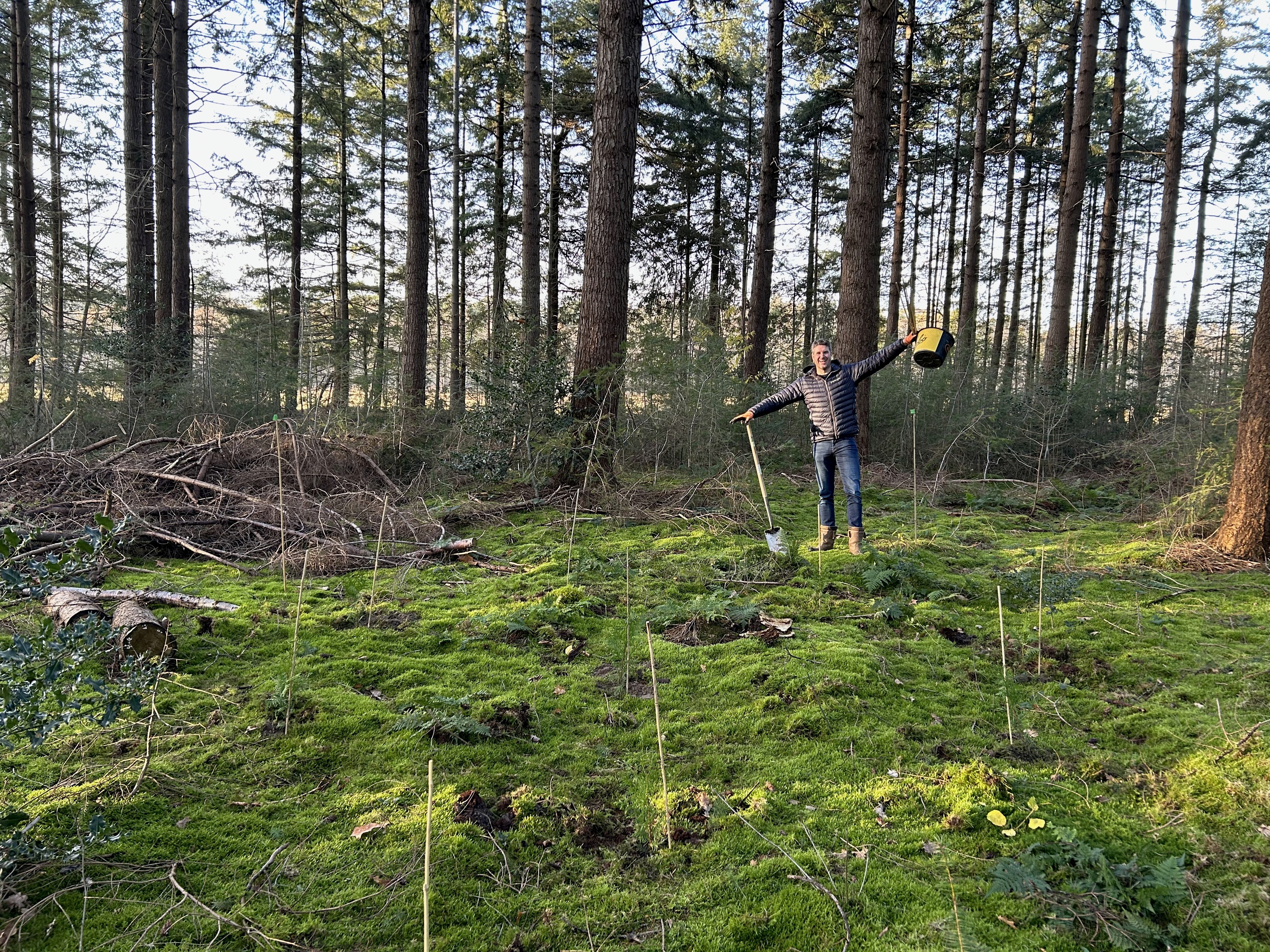
Forest Restoration: Reforesting open areas within existing forests where trees, often pines, have died. By replanting these gaps with more climate-resilient species, we enhance biodiversity while strengthening the forest ecosystem.
By incorporating a variety of tree species, we also create and improve habitats for wildlife, fostering a more balanced and thriving natural environment. Additionally, tree planting contributes to better water management, helping regulate groundwater levels and reduce soil erosion.
This project is made possible with the support of Bosgroepen, a key partner in securing funding and ensuring that the forests are managed under FSC-certified sustainable forestry standards. Through our collective efforts, we are restoring forests and building a future where nature and people coexist in harmony.
Why this project?
Through our partnership with Stukje Natuur, we support tree-planting initiatives across the Netherlands, working closely with local landowners, including farmers, to plant trees on their land. This includes reforestation and land restoration, as well as afforestation—introducing trees to areas where none previously existed.
Beyond restoring nature, this project aims to raise awareness about climate change by actively involving children, adults, and businesses. Together with our community, Regreener is committed to supporting reforestation efforts that contribute to a healthier and more biodiverse environment.
Why reforestation is necessary
The total forested area in the Netherlands has slightly declined in recent years, reaching 363,801 hectares in 2021. Compared to the rest of the EU, the Netherlands has one of the lowest forest covers (second only to Malta), with just 15% of its original native plant and animal species remaining, far below the European average of 40%.
Additionally, many tree species are under increasing pressure due to drought, disease, and pests, all exacerbated by climate change. For example, 70% of ash trees have been affected by ash dieback, while Norway spruce has suffered extensive losses due to beetle infestations following prolonged droughts. These challenges are particularly severe in monoculture forests, where a lack of diversity makes ecosystems more vulnerable.
By reintroducing a mix of tree species, we can create stronger, more resilient forests that not only withstand climate challenges but also enhance biodiversity and ecosystem stability.
Improving resilience to climate change
Planting trees plays a crucial role in combating climate change. Through photosynthesis, trees capture large amounts of CO2, storing it in their trunks, branches, roots, and leaves, effectively acting as natural “carbon sinks.” While fast-growing species can quickly absorb carbon, a diverse mix of tree species ensures continuous carbon sequestration over time, making forests more sustainable in the long run.
Beyond reducing CO₂ levels, tree planting also mitigates the negative effects of climate change, including heat waves, drought, deforestation, desertification, erosion, and flooding.
Our reforestation efforts focus on two key planting methods:
Afforestation: Establishing new forests on previously agricultural (grass) land.
Forest Restoration: Reforesting open areas within existing forests where trees, often pines, have died. By replanting these gaps with more climate-resilient species, we enhance biodiversity while strengthening the forest ecosystem.
By incorporating a variety of tree species, we also create and improve habitats for wildlife, fostering a more balanced and thriving natural environment. Additionally, tree planting contributes to better water management, helping regulate groundwater levels and reduce soil erosion.
This project is made possible with the support of Bosgroepen, a key partner in securing funding and ensuring that the forests are managed under FSC-certified sustainable forestry standards. Through our collective efforts, we are restoring forests and building a future where nature and people coexist in harmony.
Why this project?
Through our partnership with Stukje Natuur, we support tree-planting initiatives across the Netherlands, working closely with local landowners, including farmers, to plant trees on their land. This includes reforestation and land restoration, as well as afforestation—introducing trees to areas where none previously existed.
Beyond restoring nature, this project aims to raise awareness about climate change by actively involving children, adults, and businesses. Together with our community, Regreener is committed to supporting reforestation efforts that contribute to a healthier and more biodiverse environment.
Why reforestation is necessary
The total forested area in the Netherlands has slightly declined in recent years, reaching 363,801 hectares in 2021. Compared to the rest of the EU, the Netherlands has one of the lowest forest covers (second only to Malta), with just 15% of its original native plant and animal species remaining, far below the European average of 40%.
Additionally, many tree species are under increasing pressure due to drought, disease, and pests, all exacerbated by climate change. For example, 70% of ash trees have been affected by ash dieback, while Norway spruce has suffered extensive losses due to beetle infestations following prolonged droughts. These challenges are particularly severe in monoculture forests, where a lack of diversity makes ecosystems more vulnerable.
By reintroducing a mix of tree species, we can create stronger, more resilient forests that not only withstand climate challenges but also enhance biodiversity and ecosystem stability.
Improving resilience to climate change
Planting trees plays a crucial role in combating climate change. Through photosynthesis, trees capture large amounts of CO2, storing it in their trunks, branches, roots, and leaves, effectively acting as natural “carbon sinks.” While fast-growing species can quickly absorb carbon, a diverse mix of tree species ensures continuous carbon sequestration over time, making forests more sustainable in the long run.
Beyond reducing CO₂ levels, tree planting also mitigates the negative effects of climate change, including heat waves, drought, deforestation, desertification, erosion, and flooding.
Our reforestation efforts focus on two key planting methods:
Afforestation: Establishing new forests on previously agricultural (grass) land.
Forest Restoration: Reforesting open areas within existing forests where trees, often pines, have died. By replanting these gaps with more climate-resilient species, we enhance biodiversity while strengthening the forest ecosystem.
By incorporating a variety of tree species, we also create and improve habitats for wildlife, fostering a more balanced and thriving natural environment. Additionally, tree planting contributes to better water management, helping regulate groundwater levels and reduce soil erosion.
This project is made possible with the support of Bosgroepen, a key partner in securing funding and ensuring that the forests are managed under FSC-certified sustainable forestry standards. Through our collective efforts, we are restoring forests and building a future where nature and people coexist in harmony.
Project Partner

This project is run by StukjeNatuur. StukjeNatuur is a non-profit organization that aims to plant 10 million climate-robust trees for nature restoration in the Netherlands with donations from individuals and businesses. Founded in 2022, the organization works with FSC Netherlands and the Union of Forest Groups to find the most suitable locations, increase biodiversity, and make the Netherlands more biodiverse.
Gallery
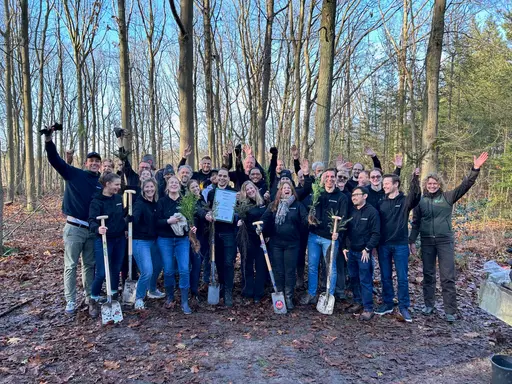
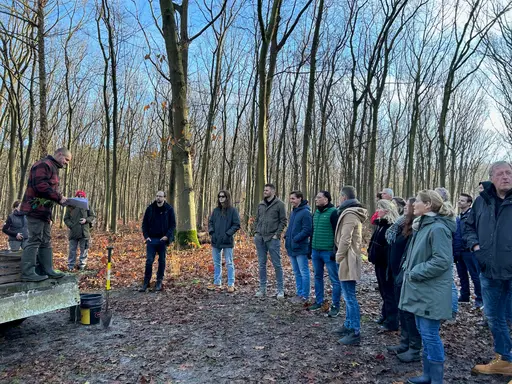
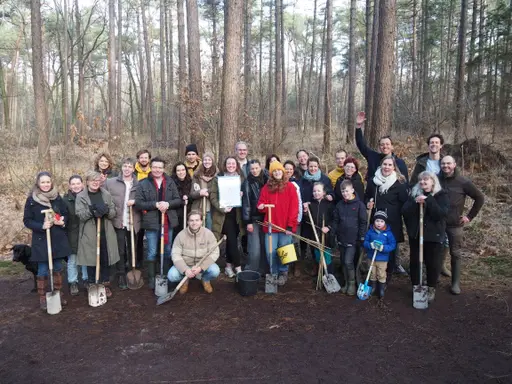
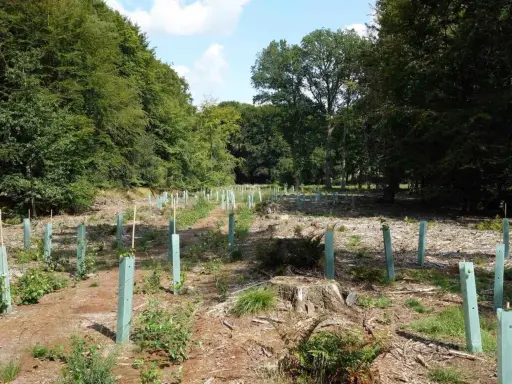
Gallery
Gallery
Location
Netherlands
Netherlands
United Nations' Sustainable Development Goals

Each planted tree accounts for approximately 0.1 tonnes of carbon removed from the atmosphere.

Planting native tree species enhances local biodiversity.

Joint effort between local municipalities, landowners, forest managers and experts such as StukjeNatuur and the Forest Groups.
United Nations' Sustainable Development Goals
Each planted tree accounts for approximately 0.1 tonnes of carbon removed from the atmosphere.
Planting native tree species enhances local biodiversity.
Joint effort between local municipalities, landowners, forest managers and experts such as StukjeNatuur and the Forest Groups.

Start supporting this high-quality project


Enter your details and out team will reach out about next steps.
Start supporting this high-quality project
Enter your details and out team will reach out about next steps.